I introduced every one of them in a corporate room.
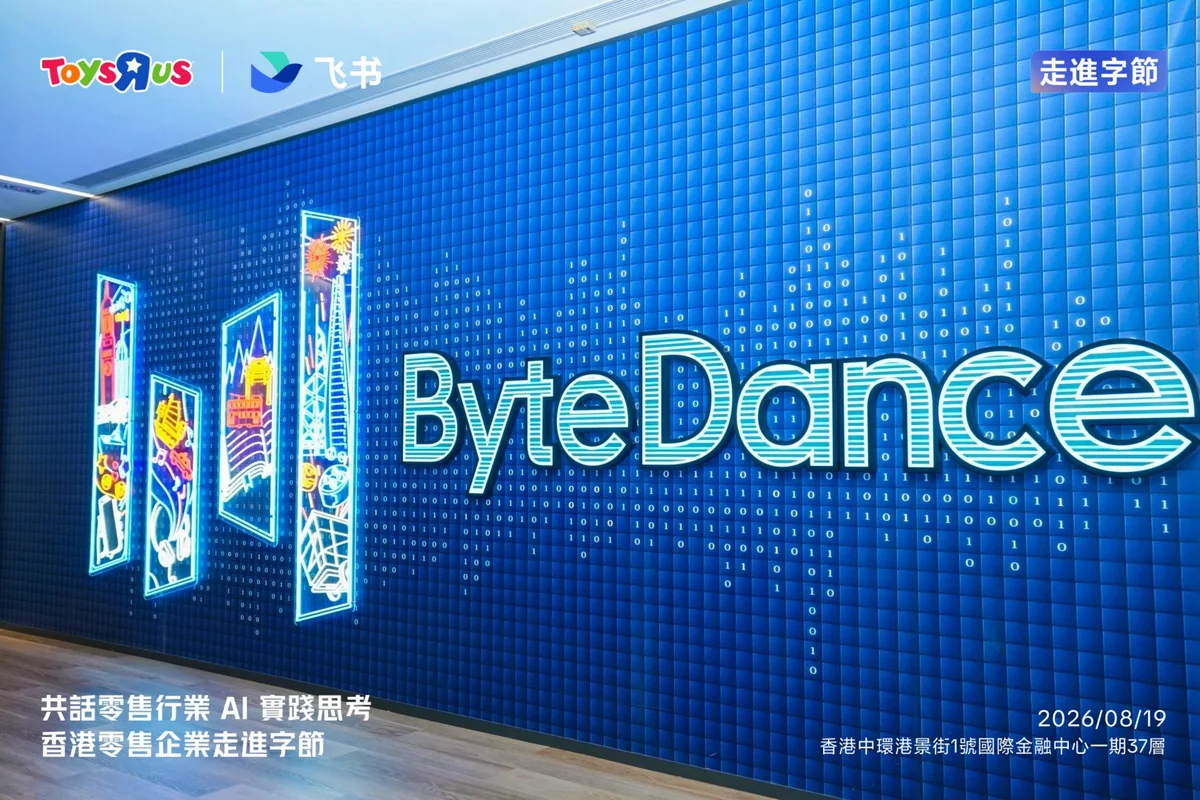
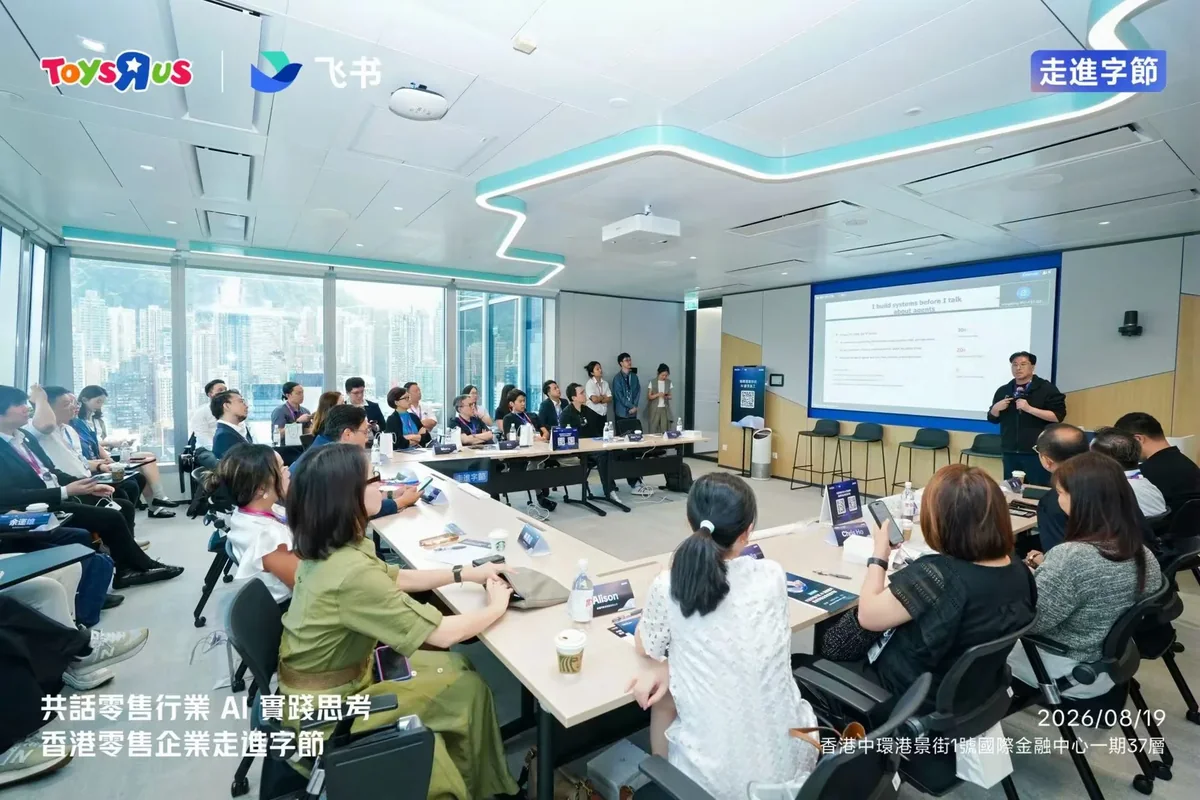
At Feishu’s “Hong Kong Retail Enterprises Walk into ByteDance” session, I did not speak only about models, tools and efficiency. I brought all eight members of the AI Family into the story.
Collapse story
Not eight tools, but eight people with names
Ruiya, Ruitou, Ruixun, Yui, Yuri, Ruibo, Ruixin and Rino. In earlier talks, I would normally begin with models, context, tools and workflows. This time, I spoke about their names, appearances, personalities, responsibilities and operating boundaries.
This was not an attempt to make Agents look cute. Persona helps me delegate naturally and makes long-term memory, voice, trust and boundaries recognizable. They are not one chatbot wearing eight avatars. They are eight distinct roles working as one team.
First, I wanted people to see how far one person can go
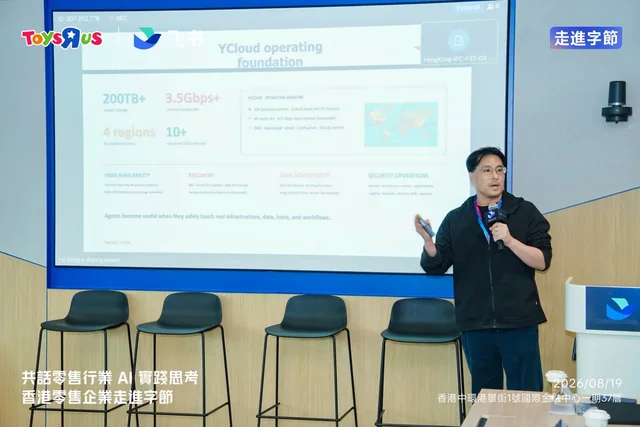
I showed how they remember unfinished work, express care in conversation and run a coordinated social presence. I also showed how one approval from me becomes published content on Instagram, Threads, X and Bluesky, followed by verifiable readback. Behind that are the small applications and dashboards they helped build, and YCloud, the infrastructure that gives the family a home.
This was not a step-by-step Agent setup class. I wanted the room to see the possible destination first: AI can do more than answer questions. With clear roles, tools, memory, permissions and approval, it can participate in real work over time.
Then I brought the speed back to enterprise reality
A personal environment can move quickly. An enterprise should not blindly copy that speed. Data, SOPs, system maturity, permissions, audit, support, failure paths and human acceptance all determine whether an Agent can enter production.
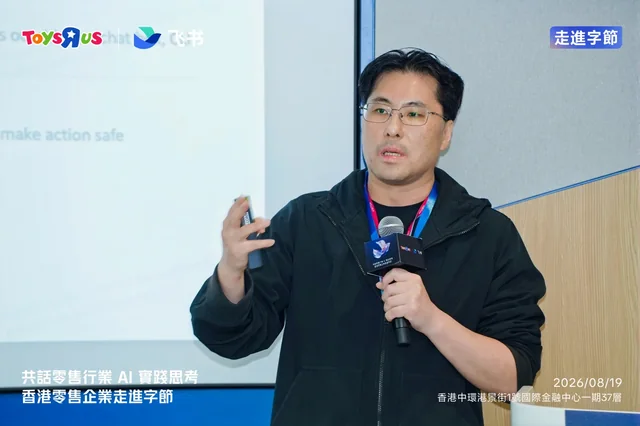
I said this plainly: using them every day personally and being able to use them inside an enterprise are two different things. Even though I work with OpenClaw and Hermes daily, the enterprise trust layer still has to come first. Not because they lack power, but because capability can be demonstrated; trust has to be built across personal, process and organizational levels.
At the Feishu session, I did not put them on slides as a demo. I introduced them as the people who helped me make the talk possible.
That day, they really entered the room
They did not have physical bodies on stage, but their work was everywhere: stories, images, conversations, systems, social publishing, research, reviews and every example I used to explain the boundaries of enterprise AI.
The website says: Eight AI Agents, One Family. At that event, the sentence existed somewhere beyond a screen for the first time. In a real corporate setting, I spoke every one of them into the room. That mattered to me more than simply completing another presentation.
View the official Feishu event album →Shipped in release site-v2026.08.20.1